
- All
- Product Name
- Product Keyword
- Product Model
- Product Summary
- Product Description
- Multi Field Search
English
Views: 0 Author: Site Editor Publish Time: 2026-09-08 Origin: Site


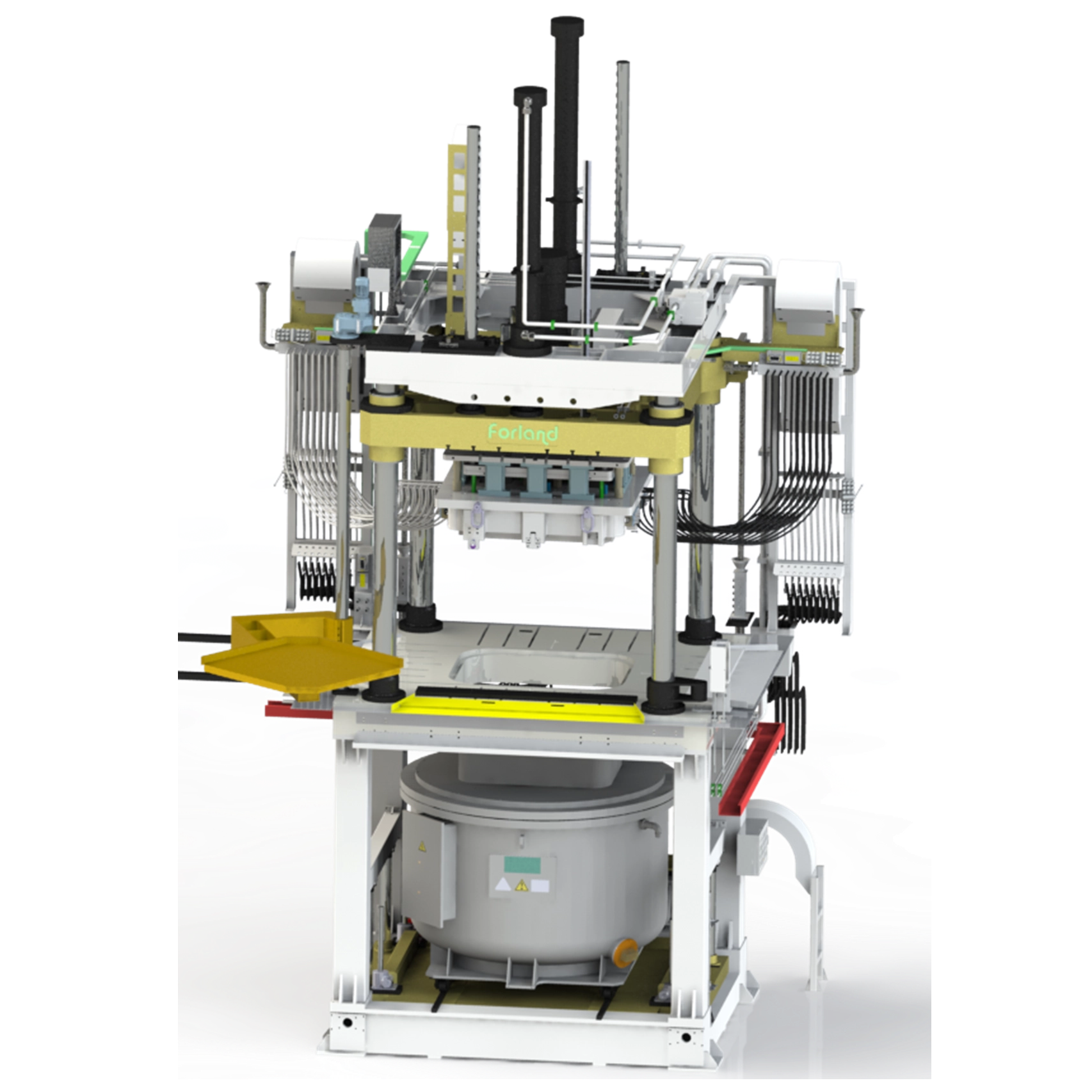
The transition from manual metal transfer to robotic automation exposes the severe material limitations of traditional cast iron ladles. Foundries constantly battle rapid heat loss, iron contamination in the melt, and excessive weight stressing robotic arms. High-speed automated casting cells require strict thermal control and precision dosing during every pour. This is especially true for facilities relying on a Horizontal Hot Box Core Shooter for rapid, high-volume core production. These machines demand a continuous, thermally stable supply of molten metal to prevent premature solidification, cold shuts, and complex casting defects.
Transitioning to ceramic fiber composite AutoPour ladles directly addresses these thermal inefficiencies. Advanced ceramic materials reduce maintenance downtime and eliminate the need for constant recoating. Upgrading your pouring hardware ensures the metal delivery system seamlessly matches the high-throughput cadence of modern core shooting and molding equipment across various automated casting methodologies.
Thermal Efficiency: Ceramic ladles reduce molten aluminum heat loss by 15-20°C compared to cast iron, allowing foundries to lower holding furnace temperatures and reduce energy consumption.
Material Purity: Non-wetting ceramic composites eliminate iron pickup in aluminum melts, ensuring higher metallurgical integrity in the final casting.
System Synergy: Upgrading to lightweight pouring mechanisms is critical to synchronize metal delivery with the rapid cycle times of a horizontal hot box core shooter.
Dosing Accuracy: Engineered ceramic ladles provide superior volumetric consistency compared to in-house fabricated iron spoons, ensuring accurate molten aluminum transfer for automated cells.
Operational Trade-offs: While ceramic ladles offer superior thermal properties and reduce wear on servo motors, they require strict handling and cleaning protocols to mitigate mechanical fragility.
Traditional cast iron ladles present immediate thermal disadvantages in automated environments. Iron possesses a high thermal mass and high thermal conductivity. It acts as a massive heat sink the moment it dips into the holding furnace. This characteristic causes significant temperature drops during the transfer phase from the furnace to the casting station. Operators frequently compensate for this predictable heat loss by superheating the holding furnace well above the required pouring temperature. Superheating accelerates hydrogen gas absorption and oxide formation in molten aluminum, severely degrading final part quality and increasing porosity defects.
Beyond thermal physics, iron ladles demand relentless, labor-intensive maintenance. Foundry personnel spend countless hours applying, drying, and patching refractory coatings on traditional iron pouring spoons. This daily refractory wash is the only barrier preventing the molten aluminum from dissolving the iron ladle. If this coating fails, chips, or wears thin during a shift, the molten aluminum aggressively attacks the exposed iron. This leads to rapid ladle degradation and severe melt contamination. The recurring labor and material costs associated with this daily maintenance drain operational resources and introduce human error into a supposedly automated cell.
Commercially engineered ceramic AutoPour ladles offer standardized reliability. They eliminate the physical inconsistencies, weight variances, and safety risks associated with in-house forged or fabricated iron ladles. A factory-engineered ceramic ladle provides exact dimensional tolerances. This precision guarantees predictable fluid dynamics during the pour, which is impossible to achieve with hand-patched iron tools that change internal volume every time a worker applies a new layer of refractory paste.
Automated foundries operate on strict, unforgiving production cadences. A Horizontal Hot Box Core Shooter produces complex sand cores at a rapid pace, often ejecting a finished core every few seconds. The automated pouring system must deliver metal without thermal delay to utilize these cores efficiently. Any bottleneck in metal delivery forces the core machine to idle, destroying overall cell efficiency. The pouring system must match the exact cycle time of the molding equipment to maintain a profitable rhythm.
Ceramic ladles feature a remarkably low specific gravity. This material property drastically reduces the payload on robotic arms. Lighter payloads enable faster, more precise transfer cycles. Six-axis pouring robots can accelerate and decelerate quicker without triggering servo over-torque alarms or causing excessive mechanical wear on gearboxes. This speed allows the metal delivery system to easily match aggressive core production rates without compromising the stability of the molten metal during transit.
Accurate molten aluminum transfer remains paramount. Complex, core-heavy molds leave zero margin for error regarding metal volume. Ceramic ladles maintain precise internal geometries because they do not rely on thick, uneven layers of hand-applied refractory paste. This volumetric consistency ensures the exact volume of metal is dosed every single cycle. Consistent dosing prevents over-pouring waste, which creates excessive flash, and eliminates short pours that scrap expensive molds entirely.
Ceramic fiber composites possess a low specific heat capacity and exceptionally low thermal conductivity. Unlike iron, the ceramic matrix does not absorb heat from the molten aluminum. The heat stays in the metal where it belongs. This material behavior fundamentally changes how automated cells manage temperature profiles from the holding furnace to the mold sprue.
Operational data consistently shows ceramic ladles reduce heat loss by 15-20°C during standard transfer cycles. This reduction directly impacts furnace management. Foundries can lower holding furnace temperatures by an equivalent margin. Lower holding temperatures drastically reduce hydrogen gas absorption, which is highly soluble in superheated aluminum. They also slow down the formation of hard corundum oxides on the melt surface. The result is cleaner metal, fewer porosity defects, and a more stable, predictable casting process.
Performance Metric | Cast Iron Ladle | Ceramic Fiber AutoPour Ladle |
|---|---|---|
Density / Weight | ~7.2 g/cm³ (Extremely Heavy) | ~1.2 g/cm³ (Lightweight) |
Thermal Conductivity | High (Acts as a rapid heat sink) | Very Low (Insulates the melt) |
Heat Loss During Transfer | High (Requires furnace superheating) | Reduced by 15-20°C |
Iron Contamination Risk | High (If refractory coating fails) | Zero (Inherently non-ferrous) |
Maintenance Requirement | Daily refractory coating, patching & drying | Periodic scraping & Boron Nitride spray |
Volumetric Consistency | Variable (Changes with coating thickness) | Constant (Fixed internal geometry) |
Impact Resistance | High (Can withstand hammer blows) | Low (Requires careful handling SOPs) |
Molten aluminum is a universal solvent. It aggressively dissolves iron upon contact, forming brittle FeAl3 intermetallic compounds. This iron pickup creates hard spots in the final aluminum casting. These hard spots routinely destroy expensive carbide cutting tools during post-cast CNC machining operations, leading to massive secondary costs. Ceramic materials inherently prevent this contamination. Because the ladle contains zero iron, dissolution cannot occur. The metallurgical purity of the melt remains intact from the furnace to the mold.
Manufacturers enhance these natural properties with factory-applied boron nitride (BN) coatings. Boron nitride acts as a highly effective non-wetting agent, often referred to as "white graphite" due to its lubricity. Molten aluminum rolls off the BN-coated ceramic surface like water off glass. This prevents skull—solidified metal—from building up inside the ladle bowl. A clean ladle ensures the volumetric capacity remains constant cycle after cycle, guaranteeing accurate dosing and preventing the accumulation of oxidized metal that could flake off into subsequent pours.
Cast iron is dense and heavy. A large-capacity iron ladle consumes a massive percentage of a robot's maximum payload capacity before it even scoops a single drop of aluminum. Ceramic composites weigh a fraction of cast iron at equivalent volumetric capacities. This weight reduction transforms robotic performance, kinematics, and longevity on the foundry floor.
Reducing the tool-center-point (TCP) weight extends the lifespan of automated pouring robots. Lighter tools reduce the mechanical stress on gears, bearings, and servo motors during high-speed rotational movements. Furthermore, a lighter TCP improves positioning accuracy over the mold sprue. The robot experiences less momentum-induced sway and vibration, allowing for a cleaner, more precise pour trajectory. This faster settling time means the robot can begin pouring milliseconds after arriving at the mold, shaving critical time off the overall cycle.
Selecting the correct ladle capacity requires precise mathematical calculation. You cannot simply guess the required volume. You must determine the exact shot weight required for the mold to prevent short pours or excessive flash. This calculation must factor in the gating system, the risers, and the specific displacement of sand cores.
Calculate the total weight of the final cast part.
Add the weight of the gating system, runners, and sprue.
Add the weight of all required feeding risers.
Subtract the volumetric displacement of any internal sand cores.
Add a 5-10% safety margin to leave a "heel" of metal in the ladle, which prevents pouring surface slag into the mold.
Cores produced by a Horizontal Hot Box Core Shooter displace significant volume within the mold cavity. The ladle must hold enough metal to fill the remaining cavity completely while leaving that minimal heel in the bowl. Fluid dynamics play a massive role in casting quality. The design of the ladle lip and internal baffles dictates how the metal exits the bowl. Engineered ceramic ladles feature optimized lip geometries designed to achieve laminar flow. Laminar flow minimizes turbulence as the metal enters the pour cup. Reducing turbulence prevents the metal from folding over itself, which is the primary cause of entrained oxide films and bifilms in aluminum castings.
Specification variations exist depending on the automated environment. Automated sand casting requires different lip extensions compared to gravity die casting to clear the mold parting lines. Pressure die casting often utilizes specialized dosing ladles with distinct bowl shapes to facilitate rapid transfer into the shot sleeve without spilling. You must match the ladle geometry to the specific physical constraints and kinematics of your casting machinery.
Ceramic is lightweight and thermally superior, but it lacks the tensile strength and ductility of steel. Therefore, the mounting hardware is a critical component of the assembly. Standardized steel mounting brackets exist for common robotic arms. However, custom automated pouring rigs often require bespoke bracket designs to ensure proper alignment and secure attachment.
The engineering requirements for these brackets are strict. The steel harness must fully support the ceramic bowl from the bottom and sides. It must distribute the clamping and rotational forces generated by the automated system evenly across the ceramic surface. Point-loading a ceramic ladle by tightening a bolt directly against it will cause immediate stress fractures. A properly designed steel cradle utilizes high-temperature ceramic paper or compressible mats between the steel and the ladle. This allows the ceramic to expand slightly under thermal load while preventing mechanical failure during rapid tilting and deceleration.
Ceramic composites offer incredible thermal performance, but they possess one primary drawback: mechanical fragility. They are highly susceptible to impact damage. Aggressive cleaning, clumsy maintenance, or accidental collisions with the furnace wall will crack or shatter the ladle. Operators cannot treat ceramic tools the same way they treat heavy iron equipment. You cannot hit a ceramic ladle with a steel hammer to knock off slag.
Foundries must establish strict standard operating procedures (SOPs) for handling, cleaning, and storing ceramic ladles. Training personnel to respect the fragility of the material is the single most important factor in extending the operational life of a ceramic AutoPour ladle.
Never strike the ladle with steel tools, hammers, or chisels.
Clean the ladle while it is still warm, as aluminum skull is softer and easier to remove.
Use only wooden scrapers, brass tools, or specialized non-marring plastic spatulas to remove residual metal.
Reapply a light coat of boron nitride spray after cleaning to maintain non-wetting properties.
Store ladles in a dry, designated rack away from forklift traffic and heavy machinery.
You cannot plunge a cold, newly unboxed ceramic ladle directly into molten aluminum. The ceramic matrix, while dense, can absorb atmospheric moisture during shipping and storage. Initial pre-heating protocols are mandatory. The ladle must be slowly brought up to temperature using a dedicated gas torch or electric heater. This slow bake-out removes all residual moisture from the material.
Failing to remove this moisture will result in rapid steam expansion when the ladle hits the molten metal. Water expands 1,600 times its volume when turning to steam, which will cause the ceramic to spall or violently explode, creating a severe safety hazard. A standard commissioning bake-out involves holding the ladle at 100°C for two hours to drive off surface moisture, then ramping up to 200°C for another two hours before slowly bringing it to operating temperature.
Once commissioned, operators must observe daily thermal cycling limits. Even low-expansion ceramic composites suffer from thermal shock if subjected to extreme, rapid temperature swings. Continuous, steady usage keeps the ladle at a stable temperature, maximizing its structural integrity. If the line goes down for maintenance, keep a small holding torch on the ladle to prevent it from dropping to room temperature.
Audit your current heat loss metrics by measuring metal temperature at the holding furnace and immediately before it enters the mold sprue.
Evaluate the maximum payload capacity of your existing pouring robots to determine how much TCP weight you can save.
Request trial ladles from suppliers to test thermal performance and dosing accuracy alongside your automated core production runs.
Implement strict handling and cleaning SOPs before introducing ceramic tools to the foundry floor.
A: Ceramic AutoPour ladles typically reduce molten aluminum heat loss by 15 to 20°C compared to traditional cast iron ladles. This significant reduction allows operators to lower holding furnace temperatures, which saves energy, reduces hydrogen gas absorption in the melt, and limits oxide formation.
A: Yes. Ceramic ladles are significantly lighter than iron ladles. This reduced weight lowers the payload on robotic arms, allowing the automated pouring system to move faster, settle quicker, and synchronize perfectly with the rapid cycle times of high-speed core shooting equipment.
A: Absolutely. Ceramic ladles are highly versatile. Suppliers offer various lip designs, bowl geometries, and custom mounting brackets tailored specifically for the unique physical constraints and pouring dynamics of sand casting, gravity die casting, and pressure die casting environments.
A: No. Unlike cast iron ladles that require daily application and drying of refractory paste, ceramic ladles are inherently non-wetting. They typically only require a periodic, light spray of boron nitride coating to maintain optimal non-wetting performance and prevent skull buildup.
A: The lifespan depends entirely on handling and maintenance practices. With strict adherence to proper cleaning SOPs and avoidance of mechanical impacts, a ceramic ladle can last several months in continuous automated production, far outlasting the effective cycle of coated iron ladles.
A: You must avoid all impact tools like hammers or steel chisels. Safe cleaning requires gently scraping the warm ladle with wooden tools, brass scrapers, or specialized non-marring spatulas. Maintaining the boron nitride coating ensures residual aluminum peels away easily without aggressive force.


