
- All
- Product Name
- Product Keyword
- Product Model
- Product Summary
- Product Description
- Multi Field Search
English
Views: 0 Author: Site Editor Publish Time: 2026-09-07 Origin: Site


Aluminum delivers incredible lightweight strength. It easily outperforms heavier metals like steel and titanium in advanced manufacturing. However, the structural integrity of high-performance aluminum alloys is established long before fabrication. It depends entirely on the purity maintained during the molten transfer and casting process.
Foundries face strict metallurgical tolerances today. Pouring advanced aluminum grades like 6061 or 7075 requires absolute precision. Traditional transfer methods often introduce iron pickup into the melt. They also cause rapid temperature loss and generate oxide inclusions. These defects directly compromise the alloy's strength-to-weight ratio and long-term durability.
To meet stringent quality standards and reduce scrap rates, engineers must carefully evaluate their transfer equipment materials. This guide breaks down the technical differences between traditional metallic ladles and ceramic alternatives. You will learn how to determine which solution is optimal for specific aluminum casting applications.
Contamination Control: A ceramic casting ladle eliminates the risk of iron leaching, which is critical for preserving the mechanical properties of high-strength, alloyed aluminum like 7075 and 6061.
Thermal Efficiency: Ceramic materials offer superior thermal retention compared to steel or cast iron, reducing the energy required to maintain optimal pouring temperatures and preventing premature solidification.
Operational Lifespan: While traditional ladles require frequent application of protective washes and coatings, ceramic ladles offer inherent non-wetting properties, significantly lowering daily maintenance downtime.
Risk vs. Reward: The primary trade-off involves higher initial procurement costs and mechanical fragility (impact risk) of ceramics versus the ongoing maintenance, XRF-detected contamination risks, and coating failures of metallic ladles.
Commercially pure aluminum behaves very differently from alloyed metals during the casting process. Alloyed metals are typically stronger, more durable, and of higher quality. However, they are also significantly more reactive in their molten state. Foundries must account for these chemical sensitivities when selecting transfer equipment. You cannot treat a highly alloyed aerospace pour the same way you treat commercial-grade ingots.
Specific elemental additions alter how the molten metal interacts with its environment. For example, the 3004 alloy features a 1% magnesium addition to increase overall strength. The 3105 alloy relies on specific copper and manganese compositions for its unique properties. Meanwhile, aerospace-grade 7075 demands extreme strength-to-weight ratios, relying heavily on precise zinc and magnesium precipitation hardening. These highly alloyed grades are incredibly sensitive to impurities. Any foreign element introduced during the pour disrupts the crystalline structure of the final casting, leading to immediate mechanical failures.
Iron pickup represents the greatest metallurgical threat during aluminum transfer. Molten aluminum acts as a universal solvent when it comes into contact with bare iron or steel. Traditional steel and cast iron ladles naturally leach iron into the melt. This metallurgical degradation happens rapidly at temperatures exceeding 700°C. The dissolved iron reacts with the aluminum to form brittle intermetallic phases, such as Al3Fe. These intermetallics create hard spots within the casting. They reduce ductility, increase machining wear, and compromise the final component's structural integrity.
Modern quality control relies heavily on strict chemical verification. Different aluminum grades look identical in color and texture on the foundry floor. Therefore, foundries use XRF (X-ray fluorescence) analyzers to verify the exact chemical composition of every batch before and after pouring. Iron leaching from metallic ladles will cause sensitive batches to instantly fail XRF inspection. A failed audit results in scrapped materials, wasted energy, and delayed production schedules. You simply cannot afford to fail an XRF scan because of a degraded ladle coating.
Evaluating transfer equipment requires a clear set of baseline requirements. A successful molten transfer system must meet three specific criteria to ensure high-yield production. First, it must demonstrate zero chemical reactivity with the aluminum melt. Second, it requires high thermal shock resistance to survive rapid temperature changes between the holding furnace and the pouring station. Finally, it must exhibit minimal slag adhesion to protect the purity of the alloy. Meeting these criteria ensures the mechanical properties of the poured metal remain intact from the furnace to the mold.
Traditional metallic ladles have been the industry standard for decades. They rely entirely on applied refractory coatings to function safely. Operators must paint or spray barriers like bone ash or boron nitride onto the iron shell. This coating creates a temporary physical shield between the molten aluminum and the reactive iron base.
These ladles offer high mechanical strength. They easily resist physical impact and rough handling on the busy foundry floor. If an operator bumps a steel ladle against a stanchion, it might dent, but it will not shatter. However, their drawbacks are significant. Steel has high thermal conductivity, leading to rapid heat loss during transfer. Operators face a constant need for recoating. The daily maintenance routine involves wire-brushing old coatings, mixing new refractory wash to a specific gravity, applying it evenly, and baking it dry. If the refractory coating chips or fails during a shift, the risk of iron contamination spikes immediately.
Modern foundries increasingly turn to advanced materials for sensitive pours. When upgrading your foundry floor, implementing a Ceramic Casting Ladle provides an immediate defense against metallurgical degradation. These tools are constructed from specialized refractory ceramics. Materials like fused silica or alumina-titanate are engineered specifically for metal transfer. These materials are inherently inert to molten aluminum, meaning they cannot dissolve into the melt regardless of temperature.
The advantages of ceramic are clear. They guarantee zero iron pickup, protecting your XRF audits and ensuring batch consistency. They provide excellent insulation properties, keeping the melt at target temperatures longer. Their non-wetting surface naturally resists dross buildup. The main disadvantages include susceptibility to mechanical damage. Dropping a ceramic ladle on a concrete floor will likely crack it. They require operators to adopt smoother, more deliberate handling practices.
Performance Metric | Traditional Steel/Iron Ladle | Ceramic Casting Ladle |
|---|---|---|
Iron Contamination Risk | High (dependent on coating integrity) | Zero (chemically inert) |
Thermal Retention | Poor (rapid heat loss to ambient air) | Excellent (insulating properties) |
Daily Maintenance | Intensive (wire brushing, washing, baking) | Minimal (visual inspection, light scraping) |
Mechanical Durability | High (resists dents and drops) | Low (fragile to heavy impacts) |
Operator Ergonomics | Heavy (causes fatigue during manual pours) | Lightweight (reduces physical strain) |
Dross Adhesion | High (slag sticks to degraded coatings) | Low (inherent non-wetting surface) |
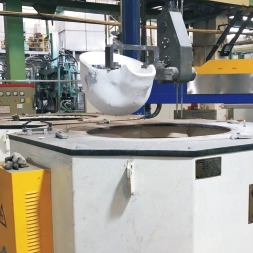
Advanced ceramics possess a very low coefficient of thermal expansion. This specific physical property grants them exceptional thermal shock resistance. When exposed to molten aluminum at 700°C, the ceramic matrix does not expand violently. This dimensional stability prevents the catastrophic cracking often seen in inferior refractory materials. You can move a fused silica ladle from a pre-heater directly to the furnace without fear of structural failure.
Superior heat retention directly impacts casting quality. Metallic ladles pull heat away from the melt instantly. To compensate for this temperature drop during transfer, foundries must tap furnaces at much higher temperatures. Overheating aluminum leads to increased hydrogen gas absorption. As the metal cools in the mold, this trapped hydrogen precipitates out, causing gas porosity that ruins castings. A ceramic ladle insulates the melt, allowing for lower furnace tapping temperatures. This saves significant energy and drastically reduces the risk of hydrogen-induced defects.
The surface chemistry of a ceramic ladle provides a massive operational advantage. Molten aluminum exhibits high surface tension against specific ceramic compounds. Simply put, the liquid metal cannot adhere to the ladle walls. This non-wetting property mimics water rolling off a freshly waxed surface. The contact angle between the liquid aluminum and the ceramic substrate prevents mechanical bonding.
Because the aluminum cannot stick, dross formation is drastically reduced. Slag and oxides do not build up on the interior surfaces. This minimizes overall metal loss per pour, improving your total yield. It also ensures cleaner pours for sensitive alloys. Operators spend less time scraping hardened slag out of the bowl and more time focusing on precise metal delivery to the die or mold.
Comparing daily maintenance workflows reveals stark differences between materials. Traditional ladles require extensive daily prep. Operators must clean, heat, coat, and dry steel ladles before every shift. If the coating is applied too thick, it flakes off into the melt. If it is applied too thin, iron leaches through. This consumes valuable labor hours and requires constant purchasing of consumable washes.
A Ceramic Casting Ladle eliminates the need for daily wash applications. The inherent non-wetting surface does the work of the coating. Operators only need to perform basic visual inspections and gentle cleaning with a non-metallic scraper. This reduction in daily maintenance significantly lowers ongoing labor requirements. The lifespan of a ceramic ladle is generally dictated by mechanical handling rather than thermal degradation. If handled carefully, they outlast coated steel ladles by a wide margin.
Procurement teams must look beyond the initial acquisition phase when evaluating ladle materials. A ceramic casting ladle requires a higher upfront investment than a standard bare steel alternative. However, the long-term value generated through operational efficiency quickly offsets this initial expense. You are investing in process stability.
Foundries realize efficiency gains through multiple channels. Reduced scrap rates provide the largest operational return. Fewer XRF-rejected batches mean less wasted material and higher overall yield. Lower energy consumption at the holding furnace adds to the efficiency metrics. Finally, decreased labor hours for ladle maintenance allow workers to focus on core production tasks rather than prepping equipment. Evaluating these long-term yield improvements is critical for accurate procurement decisions.
Foundry size and target markets heavily influence equipment selection. High-volume, high-purity operations justify ceramic investments rapidly. Facilities pouring aerospace or automotive components using 7075 or 6061 alloys operate under strict margins of error. For these foundries, a single contaminated batch sets production schedules back by days. Standardizing on ceramic equipment ensures that purity remains constant across all shifts.
Conversely, low-volume foundries pouring commercial-grade 3000-series alloys might evaluate the transition differently. These less sensitive alloys can sometimes tolerate minor impurities without failing mechanical tests. However, as production scales up, the maintenance burden of metallic ladles becomes a severe bottleneck. Upgrading to ceramic helps scale operations smoothly by standardizing purity and reducing equipment downtime.
Manual pouring operations take a physical toll on foundry workers. Traditional iron ladles are inherently heavy. When loaded with dense refractory coatings and molten metal, they become exhausting to maneuver. Operator fatigue leads to sloppy pours, increased spillage, and higher accident rates on the floor.
Ceramic ladles are generally much lighter than heavily coated iron ladles. A steel ladle holding 50 pounds of aluminum might weigh 40 pounds itself. A ceramic ladle holding the same volume weighs significantly less. This weight reduction drastically improves operator ergonomics. Workers experience less shoulder and back strain during repetitive pouring cycles. Improved ergonomics directly translate to better pour control, cleaner castings, and enhanced overall workplace safety.
The primary risk of adopting ceramic equipment is mechanical fragility. Unlike steel, ceramics will not dent; they will crack or shatter upon heavy impact. Striking a ceramic ladle against a furnace wall, dropping it on a concrete floor, or hitting it with a forklift will destroy it instantly.
Foundries must implement strict mitigation strategies to protect their equipment. First, establish clear handling protocols for all operators. Second, utilize custom ladle stands designed with padded or heat-resistant soft contact points. Never rest a ceramic ladle on bare steel grating. Finally, conduct mandatory operator training focused on spatial awareness and smooth maneuvering to avoid accidental impacts during the transfer process.
While advanced ceramics resist thermal shock, they are not immune to it. Improper initial heating can cause micro-fractures. Furthermore, atmospheric moisture can settle on the ceramic surface during storage. Introducing molten metal to a damp ladle causes dangerous steam explosions, putting operators at severe risk.
Proper pre-heating is an absolute necessity. Operators must follow a gradual heating curve. Slowly ramping up the temperature drives off residual moisture safely. It also ensures the ladle reaches optimal operational stability before the first pour. Never submerge a cold ceramic ladle directly into a molten aluminum bath. Use dedicated pre-heating stations to bring the equipment up to temperature safely.
Proactive maintenance prevents catastrophic failures during active pouring. Foundries must outline a realistic and rigorous inspection schedule. Operators should inspect the ladle before every shift, looking for specific wear patterns.
Look for hairline fractures, edge chipping, or unusual discoloration. Micro-cracks can propagate quickly under thermal stress. Identifying these wear patterns early allows for safe, scheduled replacements. Retiring a worn ladle before it fails completely protects operators and prevents costly metal spills. Keep a log of pour cycles to establish a predictable replacement baseline for your specific facility.
Casting high-grade, structurally critical aluminum alloys requires absolute precision. When purity, strength-to-weight ratios, and temperature control are essential, the ceramic casting ladle proves technically superior to traditional metallic options. It eliminates iron contamination, stabilizes pouring temperatures, and reduces daily maintenance burdens.
Procurement teams should base their final decision on specific operational realities. Evaluate the exact aluminum grades being poured. Assess your facility's tolerance for scrap and rework. Consider your operators' ability to adhere to careful handling protocols. If metallurgical purity is your primary metric, ceramic is the logical choice.
To move forward effectively, execute the following next steps:
Conduct a pilot test with a ceramic ladle on a single high-purity pouring line.
Measure actual temperature retention data during the trial phase using a thermocouple.
Compare XRF purity results against historical batches poured with metallic ladles.
Develop specific operator training for ceramic pre-heating and safe handling procedures.
A: The primary advantage is the complete prevention of iron contamination. Unlike steel ladles, ceramics are chemically inert to molten aluminum. They also provide superior thermal retention, keeping the melt at optimal temperatures longer and reducing energy consumption.
A: Yes, they are compatible with all aluminum grades. However, the operational yield improvement is highest for sensitive, high-strength alloys like 6061 and 7075. These specific grades require strict chemical purity to maintain their mechanical properties.
A: Lifespan varies based on foundry practices. Because they resist thermal degradation well, their life is usually determined by mechanical handling. Accidental impacts or drops typically end their lifespan long before the ceramic matrix actually wears out.
A: No. Unlike iron ladles that need daily washes of bone ash or boron nitride, ceramics are naturally non-wetting. Molten aluminum does not stick to them, eliminating the need for daily protective refractory coatings.
A: You must heat the ladle gradually using a dedicated pre-heater or ambient furnace heat. This gradual protocol prevents thermal shock and completely eliminates any residual atmospheric moisture before the ladle touches molten metal.
A: Yes. Ceramic ladles are significantly lighter than cast iron alternatives, especially when factoring in the heavy refractory coatings iron requires. This weight reduction improves operator ergonomics and reduces fatigue during manual pouring.


