
- All
- Product Name
- Product Keyword
- Product Model
- Product Summary
- Product Description
- Multi Field Search
English
Views: 0 Author: Site Editor Publish Time: 2026-08-12 Origin: Site


Manufacturing complex sand cores often feels like a high-stakes balancing act. Foundries push production limits to create intricate, thin-walled designs. Engine blocks, water jackets, and hydraulic valves require absolute precision. Producing these delicate internal passages introduces severe bottlenecks on the factory floor. You cannot afford to sacrifice dimensional accuracy. You also cannot extend cycle times just to prevent core warping.
Heat-based methods traditionally trigger thermal expansion. This creates unacceptable micro-cracks or dimensional shifts in delicate sections. The Cold Box Core Shooter Machine has emerged as the definitive industry standard for unheated, high-precision core production. It solves these exact thermal limitations.
We will objectively evaluate why this specific technology perfectly fits complex geometries. You will learn how it compares against alternatives in the market. We will also provide a practical framework for shortlisting your next equipment upgrade.
No Thermal Distortion: Room-temperature curing eliminates tooling expansion, ensuring exact dimensional stability for highly intricate internal passages.
Superior Sand Flowability: The low-viscosity resin mix allows sand to penetrate deeply into narrow, complex core box cavities before hardening.
High-Volume Efficiency: Instant chemical curing reduces cycle times to seconds, making it economically viable for mass production.
Compliance Dependency: Successful implementation requires factoring in environmental controls (amine gas scrubbers) alongside the machine purchase.
Modern foundries judge core quality on strict metrics. You need high dimensional tolerance to prevent downstream casting defects. Excellent surface finish directly reduces post-casting machining work. Cores must possess immediate structural integrity. Operators or robots need to handle them safely the second they leave the mold. Meeting all three criteria simultaneously remains difficult for complex shapes.
Traditional heated processes inherently cause thermal expansion. Tooling shifts under high temperatures. When core boxes heat up to 250 degrees Celsius, the metal expands. This leads directly to core warping upon extraction. Micro-cracking frequently occurs in delicate, thin-walled sections as they cool unevenly. You lose dimensional control when tooling fluctuates in size.
Thin walls break easily during physical ejection. Intricate internal channels require uniform structural strength. If the curing process is uneven, the core fails. Tooling friction poses another serious threat. High friction grabs delicate features during separation. The core will fracture if it lacks uniform tensile strength across its entire geometry.
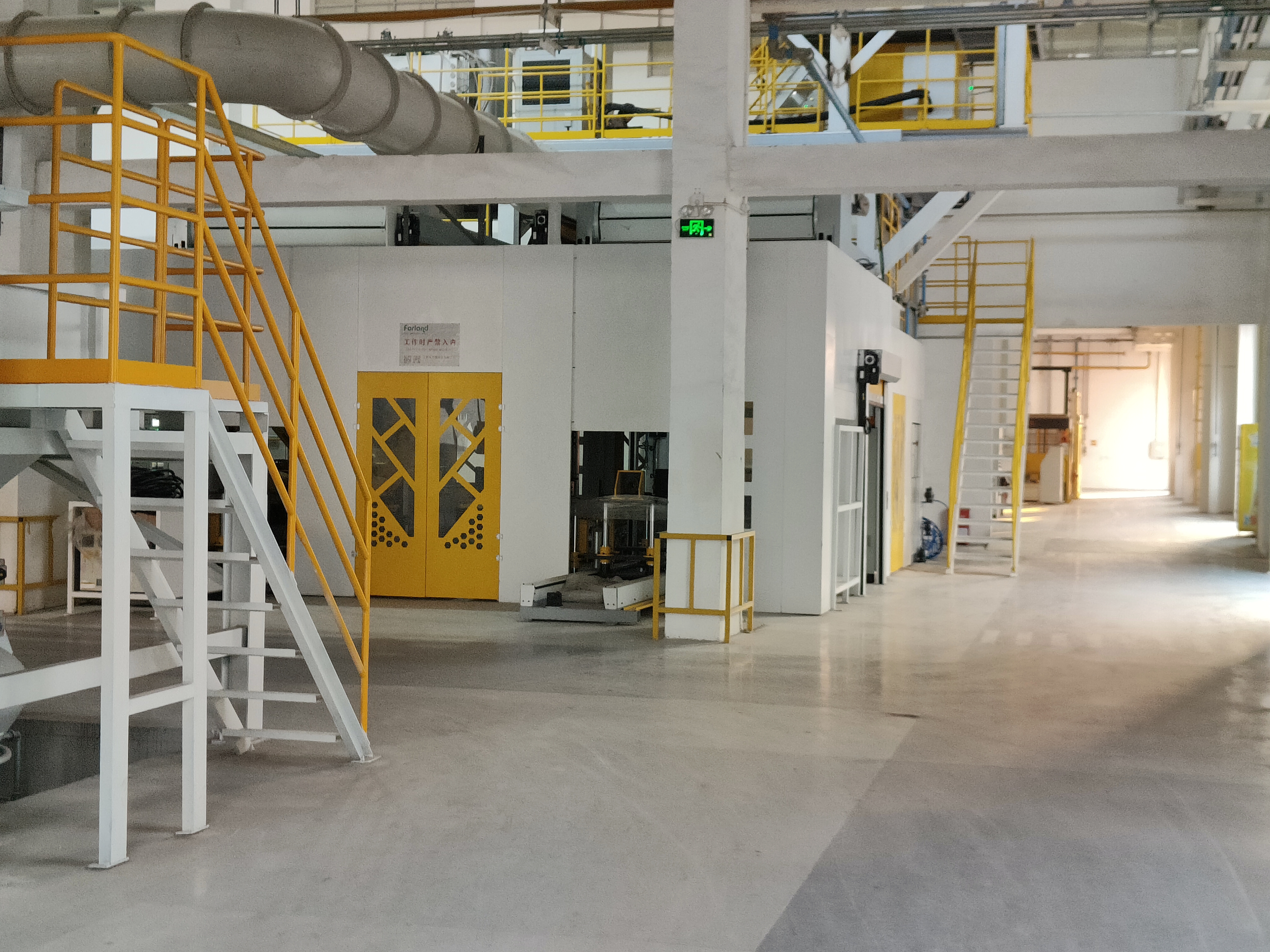
This method relies entirely on a chemical reaction. It uses a specialized polyurethane binder. An amine gas catalyst cures the binder instantly upon contact. The entire reaction happens at room temperature. Zero heat means zero thermal distortion. The tooling never expands. The core remains dimensionally exact from formation to extraction. You preserve the tightest tolerances possible.
Pneumatic shooting mechanisms perform the heavy lifting here. The sand-resin mixture features exceptionally low viscosity. Compressed air fluidizes this mixture inside the shoot head. It distributes the highly flowable sand evenly across the mold. Extreme undercuts fill perfectly. Thin sections pack tightly without leaving voids. The pneumatic pressure ensures consistent sand density throughout the most challenging geometries.
Engineered gassing plates sit above the core box. They direct the vaporized catalyst downward. High-pressure air forces the gas into the deepest core sections seamlessly. This provides uniform tensile strength across the part. The system then purges residual gas using clean air. Complex shapes cure thoroughly without leaving soft, uncured pockets.
Operators extract cores immediately after the purge cycle. You do not need a cooling period. The chemical cure delivers full structural rigidity instantly. This dramatically reduces physical stress on delicate features during ejection. Automation systems handle them safely right away. You eliminate the staging areas normally required for hot cores to cool.
Selecting the right core making technology depends heavily on your specific part geometry and production volume. The chart below summarizes how different methods stack up against each other.
Technology | Best Fit Application | Primary Trade-off | Curing Trigger |
|---|---|---|---|
Cold Box | Highly complex, large, or high-volume cores requiring tight tolerances. | Requires chemical handling and robust gas scrubbing infrastructure. | Amine Gas Catalyst |
Hot Box | Thicker, less intricate cores where dimensional shifts are acceptable. | Higher energy costs; elevated risk of thermal distortion. | Heated Tooling |
Shell Core | Hollow cores demanding excellent internal surface finish. | Slower cycle times; limited by the geometry of shell formation. | Heated Tooling (Resin Melt) |
A Cold Box Core Shooter dominates when precision matters most. It is the best choice for highly complex, large, or high-volume cores. You achieve incredibly tight tolerances effortlessly. The primary trade-off involves facility infrastructure. You must implement safe chemical handling protocols. The process absolutely requires dedicated gas scrubbing exhaust systems.
This legacy method still works for simpler geometries. It is best for thicker, less intricate cores. You can use it when minor dimensional shifts from heat remain acceptable for the final casting. The trade-off centers on operating expenses. It demands significantly higher energy costs to maintain tooling temperatures. You also face a constant risk of thermal distortion.
Shell processes excel in specific niche applications. They are best for hollow cores requiring an excellent surface finish. The process creates a hardened outer shell while draining the unheated center sand. The major trade-off is speed. You face much slower cycle times. You are also strictly limited by the geometry of the shell formation process.
Clamping Force and Precision
The machine must maintain an absolute seal. High-pressure shooting and gassing phases stress the core box parting lines. Robust hydraulic or pneumatic clamping prevents mold separation. This directly prevents finning on complex cores. Excess finning requires manual grinding later. Precision guide rails ensure the tooling aligns perfectly during every single cycle.
Gassing System Efficiency
Evaluate the vaporizing and purging technology carefully. Efficient gas distribution dictates internal core quality. The system must vaporize the liquid amine completely before injection. Superior gassing controls ensure the catalyst reaches deep cavities fast. This efficiency reduces your overall amine consumption. It also minimizes the time needed for the purging phase.
Tooling Changeover & Flexibility
Modern facilities often produce multiple geometries daily. Machine downtime kills profitability. Look for quick-change systems (QCS). They allow operators to swap heavy core boxes safely. Standardized mounting plates maximize uptime during a single shift. Fast changeovers keep your production scheduling agile and highly responsive.
Automation and Integration Capability
Isolated machines create production bottlenecks. Seamless integration is critical for scaling up. Assess the capability to connect with core removal robots. Look for automated interfaces that integrate sand preparation plants seamlessly. The machine controls must tie directly into your existing manufacturing execution systems (MES) for real-time data tracking.
Amine gas serves as an excellent catalyst but poses workplace hazards. It is toxic and carries a strong odor. You need robust rubber sealing on the machine to contain it. Proper local exhaust ventilation (LEV) is non-negotiable. It captures fugitive emissions during core extraction. Chemical scrubbers typically use an acid solution to neutralize the gas safely before exhausting air outside.
Complex core boxes demand meticulous maintenance routines. Rubber seals line the parting faces of your tooling. They degrade over time due to pressure and chemical exposure. Leaks create soft, uncured core sections. They also waste valuable catalyst gas into the surrounding air. Preventative maintenance on tooling seals remains a daily operational requirement.
Cold box resin mixtures have a strict bench life. Polyurethane binders begin reacting slowly the moment you mix them with sand. You generally have a small working window. Operations must synchronize sand mixing rates perfectly. Match the output to the core shooter’s specific cycle times. This prevents premature hardening in the hopper.
Sand Status | Time Since Mixing | Flowability Impact | Action Required |
|---|---|---|---|
Fresh Mix | 0 - 20 minutes | Optimal / High | Shoot complex cores safely. |
Aging Mix | 20 - 45 minutes | Decreasing | Monitor for shooting defects. |
Dead Sand | 45+ minutes | Poor / Clumping | Discard and clean hopper. |
Upgrading requires analyzing upfront capital expenditures. Balance the initial machine cost against necessary facility upgrades. Factor in the chemical scrubber investment. You offset these costs rapidly through significant energy savings. Eliminating heated tooling cuts electricity or gas consumption drastically. You will also notice drastically reduced scrap rates due to improved dimensional accuracy.
A Cold Box Core Shooter provides the most reliable path for scaling complex production. It eliminates thermal expansion while delivering rapid cycle times. You gain unparalleled dimensional stability for highly intricate internal passages. This technology actively bridges the gap between high-volume efficiency and strict tolerance requirements.
Take action by validating the technology against your specific geometry. Recommend your engineering team request a vendor proof-of-concept (PoC). Submit your most complex core box design for a trial shoot. Focus your evaluation strictly on automated dimensional reporting and real-world cycle time verification.
A: Cycle times generally range from 15 to 60 seconds. The exact duration depends heavily on the core volume, part geometry, and the efficiency of the gassing system. The lack of a cooling phase keeps these times consistently low compared to heated methods.
A: Foundries use cast iron or tool steel for high-volume production runs. However, the complete lack of heat in this process provides flexibility. You can successfully utilize aluminum or advanced polymer composite tooling for prototyping and lower-volume runs.
A: The process requires integrated amine scrubbers. These scrubbing towers usually utilize a dilute sulfuric acid solution. The acid reacts with the exhausted amine gas, neutralizing the toxic emissions entirely before venting clean air into the atmosphere.


